Content Samples

Podcast: How to Encourage Ambition with Shellye Archambeau

A full transcript of the episode appears below; it has been edited for clarity. You can follow Shaping the Future wherever you listen to podcasts. Subscribe on Apple Podcasts, Spotify, Google Podcasts, Stitcher, or iHeartRadio. The views expressed in this podcast are those of the guest and do not necessarily represent those of HMH. Matthew Mugo Fields: Welcome to Shaping the Future, a production of HMH. I'm your host, Matthew Mugo Fields. Here, we'll examine leading issues in education, and I'll
Phases of the Moon Activities and Lesson Plan Ideas

Is your students’ interest in math and science waxing or waning? The moon, sky, and planets are a great place to spark your elementary students’ interest in STEM learning.

Even without a forecast of two lunar eclipses on the horizon, math and science lessons for phases of the moon can provide an interesting angle to your lesson. By implementing a student-centric curriculum with plenty of hands-on activities, you can ensure that your student scientists remain engaged in their learning. To suppor

National Novel Writing Month: Turning Students into Excited Writers

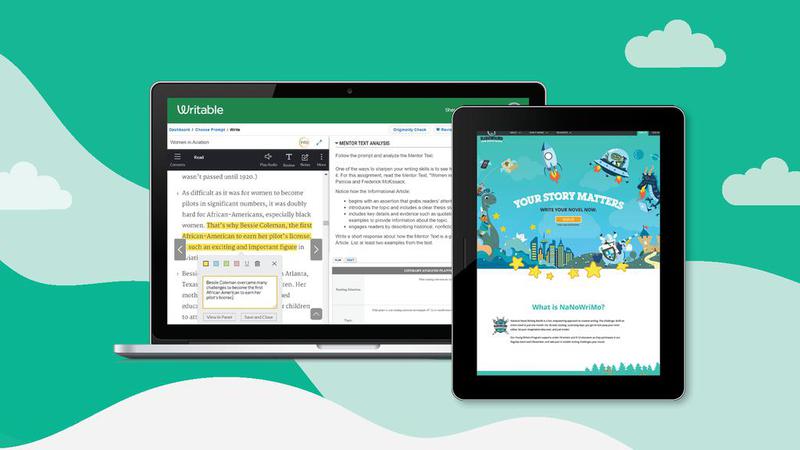
On October 27, 2013, Karina Yan Glaser logged onto the NaNoWriMo website and signed up to write a 50,000-word novel in the span of 30 days. The book that she wrote that November would be called The Vanderbeekers of 141st Street and would be published by HMH in 2018. Although spending November writing an entire book may sound like an unusual challenge, Glaser was by no means alone. That year, over 300,000 other individuals signed up for the same challenge.

National Novel Writing Month, or NaNoWr

National Dyslexia Awareness Month 2023

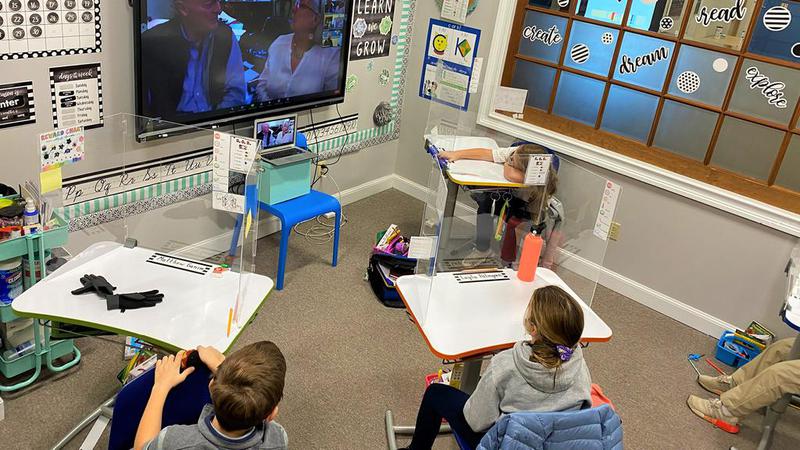
Photo: The Southport School is a K–8 school in Connecticut that prioritizes students with learning-based differences like dyslexia.

As teachers know, there is no universal way to educate. Individual students have unique ways of retaining information, and many must also contend with circumstances that may disrupt their learning, like social and emotional factors, disorders, and disabilities. Not every learning disability is immediately visible. One such disability is dyslexia.

With National Dys

5 End-of-the-Year Celebration Ideas

The activities at each station will be based on the locations that you choose, and can be tied back to previous lessons. Did your students spend time this year learning about the history of Greece or Japan? Or can you take them to places from your science lessons, for example deep in the ocean or on top of a volcano? Did they read about any places in their classroom library that interested them? Incorporate these familiar topics into your vacation stations for an added layer of personalization.

National Poetry Month Activities for Middle and High School Classrooms

Inspired by the beat poets of the 1950s, spoken word poetry, or slam poetry, allows students to find their voice without the usual constraints like rhyme and syllable count. Written for a live performance, slam poetry is primarily concerned with rhythm and subject matter. Slam poets use the medium to explore ideas that they are passionate about and the emotions that they evoke.

Have your students watch some examples of slam poetry in order to get a better idea of what it entails. Then, have the

Podcast Mash Up: Celebrating Teacher Love in the Classroom

A full transcript of the episode appears below; it has been edited for clarity. You can follow Teachers in America wherever you listen to podcasts. Subscribe on Apple Podcasts, Spotify, Google Podcasts, Stitcher, or iHeartRadio. Please consider rating, reviewing, and sharing Teachers in America with your network. We value our listeners’ support and feedback. Email us at shaped@hmhco.com. The views expressed in this podcast are those of the guest and do not necessarily represent those of HMH. Noe

7 Kwanzaa Activities and Lesson Plans for Elementary Students

This principle is about building up and maintaining friend- and family-owned businesses together.

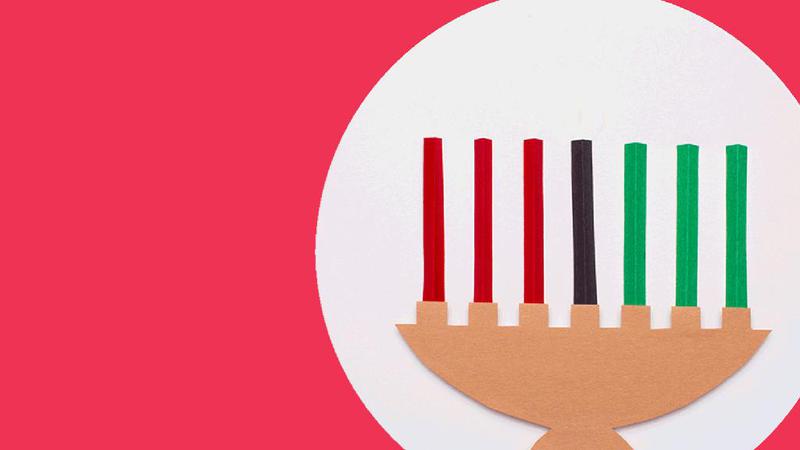
A popular craft for the classroom is creating a Kwanzaa mat, or mkeka. The woven placemat is used as a foundation for other Kwanzaa symbols like the kinara or corn, and can be replicated by your students by cutting strips of green and red construction paper and weaving them through a black paper.

Start by cutting 5–10 lines across the black paper, making sure to leave an uncut border around the ou